

Why Regular Skin Cancer Screenings Are Important

Skin cancer is the most common form of cancer globally, but when detected early, it is highly treatable. Regular skin cancer screenings play a crucial role in identifying suspicious lesions, moles, or changes in the skin that may indicate early signs of cancer. These screenings, often conducted by dermatologists, can make the difference between a simple outpatient treatment and a more complex medical intervention.

Early Detection Saves Lives

One of the primary reasons regular screenings are vital is the potential to detect skin cancer at its earliest stages. Melanoma, the deadliest form of skin cancer, can spread rapidly if not caught early. However, when detected early, the survival rate is significantly higher. A dermatologist can identify subtle changes in skin that might go unnoticed by an untrained eye, increasing the chances of timely and effective treatment.

Who Should Get Screened?

While everyone should be aware of their skin health, certain individuals are at higher risk and should consider more frequent screenings. This includes people with a family history of skin cancer, fair skin, frequent sunburns, a high number of moles, or a history of tanning bed use. Those who spend a lot of time outdoors for work or leisure should also be proactive about regular checks.

What to Expect During a Screening

A typical skin cancer screening is a painless and non-invasive procedure. The dermatologist examines your skin from head to toe, paying close attention to any moles, freckles, or unusual spots. If anything suspicious is found, a biopsy may be recommended for further evaluation. It’s also an excellent opportunity to ask questions and learn how to perform self-examinations at home.

Signs to Watch Out For

While regular screenings are essential, self-awareness in between visits is equally important. Keep an eye out for:

  • New growths or sores that don’t heal
  • Moles that change in size, shape, or color
  • Asymmetrical or irregular borders on moles
  • Spots that itch, bleed, or feel painful
  • Red or scaly patches of skin

Regular skin cancer screenings are a simple yet powerful way to protect your health. By being proactive and visiting your dermatologist for routine checks, you can catch potential issues early and significantly reduce the risk of serious complications. Early action saves lives—don’t wait for symptoms to appear. Schedule your skin check today.
Understanding the Causes of Acne and How to Treat It

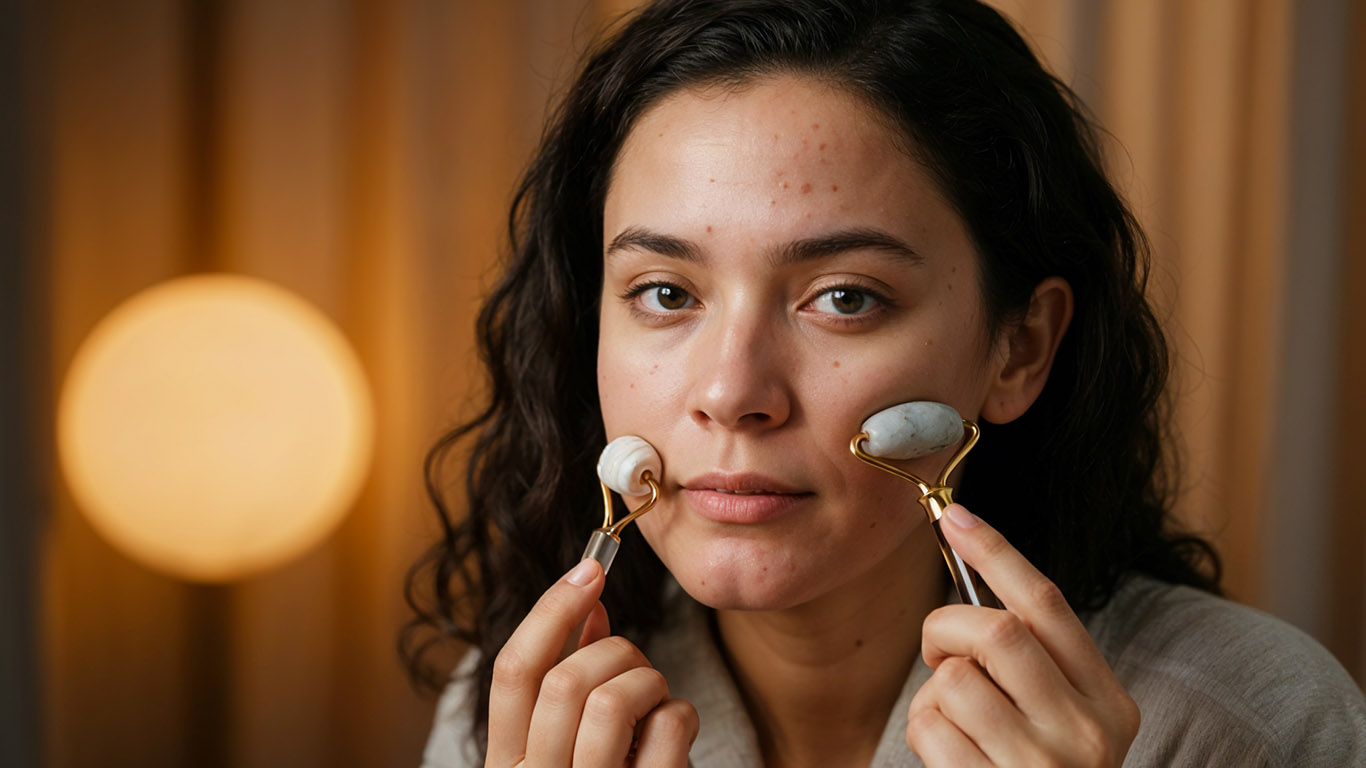
Acne is one of the most common skin conditions, affecting people of all ages. While it is often associated with teenagers, acne can persist or even begin in adulthood. It typically occurs when hair follicles become clogged with oil and dead skin cells, leading to whiteheads, blackheads, pimples, or even deeper cystic lesions. Understanding what causes acne is the first step toward effective treatment and prevention.

What Causes Acne?

There are several factors that contribute to acne development. Hormonal changes, especially during puberty, pregnancy, or menstrual cycles, can increase oil production in the skin. Genetics also play a role – if your parents had acne, you’re more likely to experience it as well. Other triggers include stress, poor skincare habits, diet (especially high glycemic foods and dairy), and the use of certain cosmetics or medications. Even environmental factors like humidity or friction from masks and helmets can aggravate acne.

Effective Treatments for Acne

Thankfully, acne is highly treatable, and many people can achieve clearer skin with the right approach. Over-the-counter topical treatments containing ingredients like benzoyl peroxide, salicylic acid, or retinoids can help reduce inflammation and unclog pores. For moderate to severe acne, a dermatologist may prescribe stronger topical or oral medications, such as antibiotics, hormonal treatments, or isotretinoin. It’s essential to be patient—acne treatments often take several weeks to show noticeable improvement.

Skincare Tips for Acne-Prone Skin

Maintaining a proper skincare routine can make a significant difference in managing acne. Here are some key tips:

  • Cleanse twice daily with a gentle, non-comedogenic cleanser
  • Avoid harsh scrubbing, which can irritate the skin and worsen breakouts
  • Use oil-free, non-comedogenic moisturizers and sunscreens
  • Don’t pick or pop pimples, as it can lead to scarring
  • Keep hair and hands off your face to avoid transferring oil and bacteria

Acne can be frustrating, but with a better understanding of its causes and the right treatment plan, it can be managed effectively. Whether you’re dealing with occasional breakouts or persistent acne, consulting a dermatologist can help you find solutions tailored to your skin. Clear skin starts with knowledge and consistent care – take the first step today.

How to Care for Your Skin After a Botox Treatment

Botox has become one of the most popular non-surgical cosmetic treatments for reducing fine lines and wrinkles. While the procedure itself is quick and minimally invasive, proper aftercare is essential to ensure optimal results and minimize side effects. Taking care of your skin post-Botox can help enhance the effects of the treatment and protect your skin from unnecessary irritation or complications.

Immediate Aftercare: What to Expect

After your Botox injection, you may experience mild redness, swelling, or small bumps at the injection sites. These are completely normal and usually subside within a few hours. It’s important to avoid touching, rubbing, or massaging the treated areas for at least 24 hours, as this could cause the Botox to spread to unintended muscles and affect your results. Staying upright for a few hours after treatment is also recommended to help the product settle properly.

Skin Care Tips for the First Few Days

During the first couple of days following your Botox treatment, be gentle with your skin. Avoid applying heavy makeup, facials, chemical peels, or exfoliating products for at least 24–48 hours. Instead, use a gentle cleanser and a hydrating moisturizer to keep the skin calm and nourished. It’s also important to avoid intense physical activity and hot environments like saunas or steam rooms for at least 24 hours, as these can increase blood flow and reduce the effectiveness of the treatment.

Do’s and Don’ts After Botox

To protect your results and support your skin’s healing process, follow these key aftercare tips:

  • Do stay upright for at least 4 hours post-treatment
  • Do use a gentle, non-comedogenic moisturizer
  • Do avoid makeup or facial treatments for 24 hours
  • Don’t rub or massage the treated area
  • Don’t exercise vigorously or expose your skin to heat for a day
  • Don’t consume alcohol or blood thinners immediately after treatment

Proper aftercare following a Botox treatment is crucial for achieving the best results and avoiding complications. By treating your skin with care and following your provider’s instructions, you’ll help ensure a smoother, more youthful appearance. Always consult your dermatologist or injector if you have any concerns or experience unexpected side effects.